



CLINIC
The Palliative Care Department of the National Center of Oncology provides comprehensive psychosocial support services, available free of charge to all patients and their family members.
Our psychosocial support team includes psychologists, a social worker, a psychiatrist, and volunteers.
The Role of the Psychologist in Palliative Care
The psychologist provides the following services:
- Initial needs assessment, aimed at identifying the psychological needs of patients and their family members.
- Psychological counseling and psychoeducation, supporting patients and family members in recognizing and developing their personal resources, making positive behavioral changes, building coping skills, making important life decisions, and addressing challenges associated with the diagnosis and treatment of a life-threatening illness.
- Psychotherapy for patients and their family members.
- Grief and bereavement support for family members following a loss. Family members may also receive up to six psychotherapy sessions following the patient’s death.
- Follow-up with the family: following discharge, regular communication is maintained with the family to monitor the patient’s current condition and needs.
The Role of the Psychiatrist
Within the framework of palliative care, the psychiatrist provides medical consultations aimed at assessing and managing:
- Mood disturbances
- Sleep disorders
- Anxiety
- Depression
- Other psychological and psychiatric concerns
Where clinically indicated, appropriate pharmacological treatment may be prescribed and adjusted.
The Role of the Social Worker
Social work in palliative care focuses on identifying and addressing patients’ and families’ practical needs, protecting their interests, and helping establish appropriate support systems.
The social worker:
- Supports patients and their families during challenging stages of illness, working in coordination with the psychologist, psychiatrist, and other specialists, and providing referrals to governmental and non-governmental organizations when necessary.
- Assesses individual needs, identifies priority concerns, and, where a problem is identified, develops an action plan together with the patient to address it.
- Helps patients adapt to changes in their lives resulting from illness and its consequences.
- Advocates for the rights and interests of patients and their family members, including assistance with issues related to obtaining functional assessment, restoring access to pension benefits, and resolving difficulties in accessing social support programs.
The Role of Volunteers
Volunteers contribute to patients’ quality of life and daily well-being by:
- Organizing recreational activities such as reading, conversation, and games, including backgammon, chess, and dominoes
- Organizing activities such as film screenings, musical events, and art sessions
- Building connections and engaging new volunteers in the program
22-10-2026
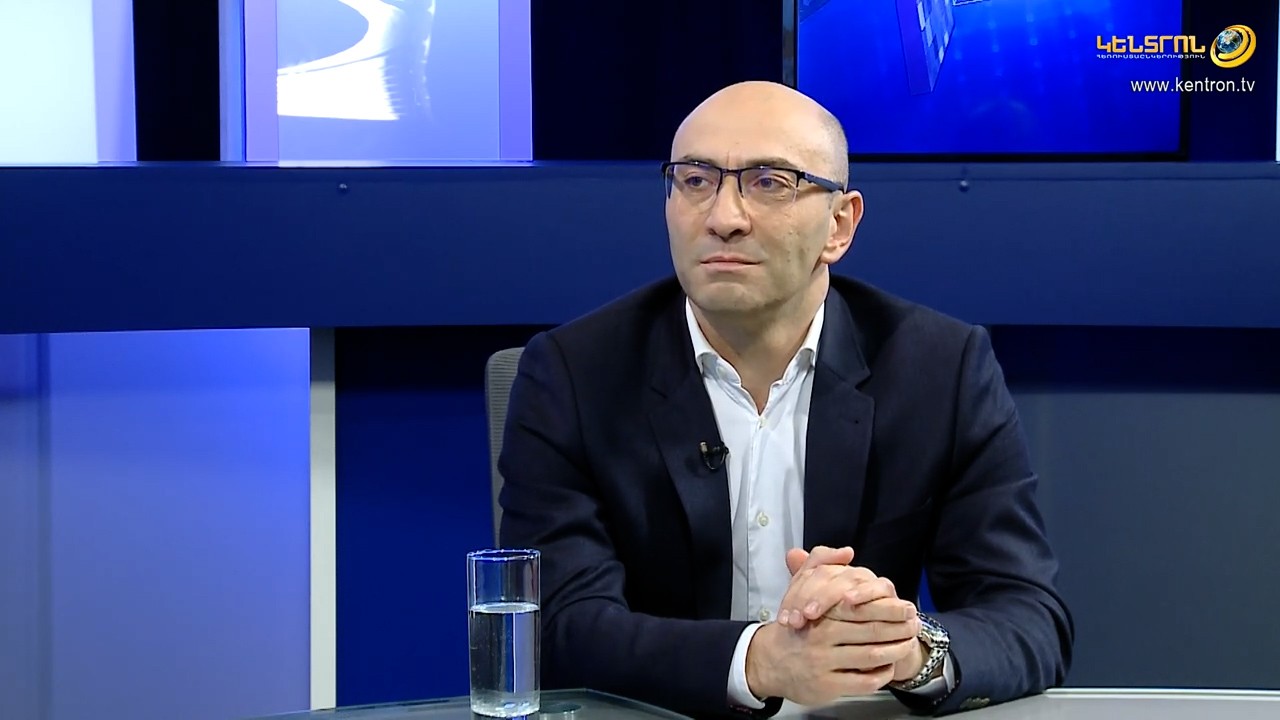
Վաղ հայտնաբերումը փրկում է կյանքեր. Արթուր Ավետսիյանը՝ կրծքագեղձի քաղցկեղի ախտորոշման և բուժման մասին
20-10-2026
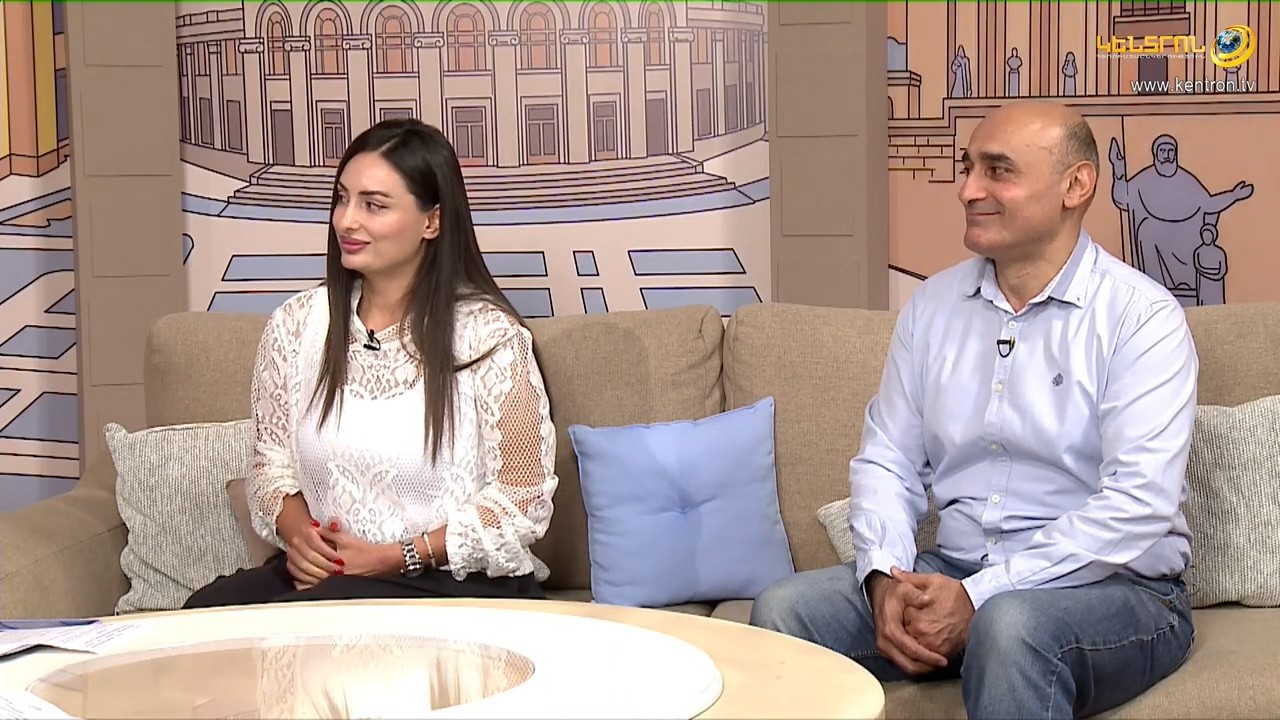
Կրծքագեղձի քաղցկեղի վաղ հայտնաբերման կարևորությունը․ ՈՒԱԿ մասնագետները՝ «Լույս առավոտ» հաղորդման տաղավարում
19-10-2026
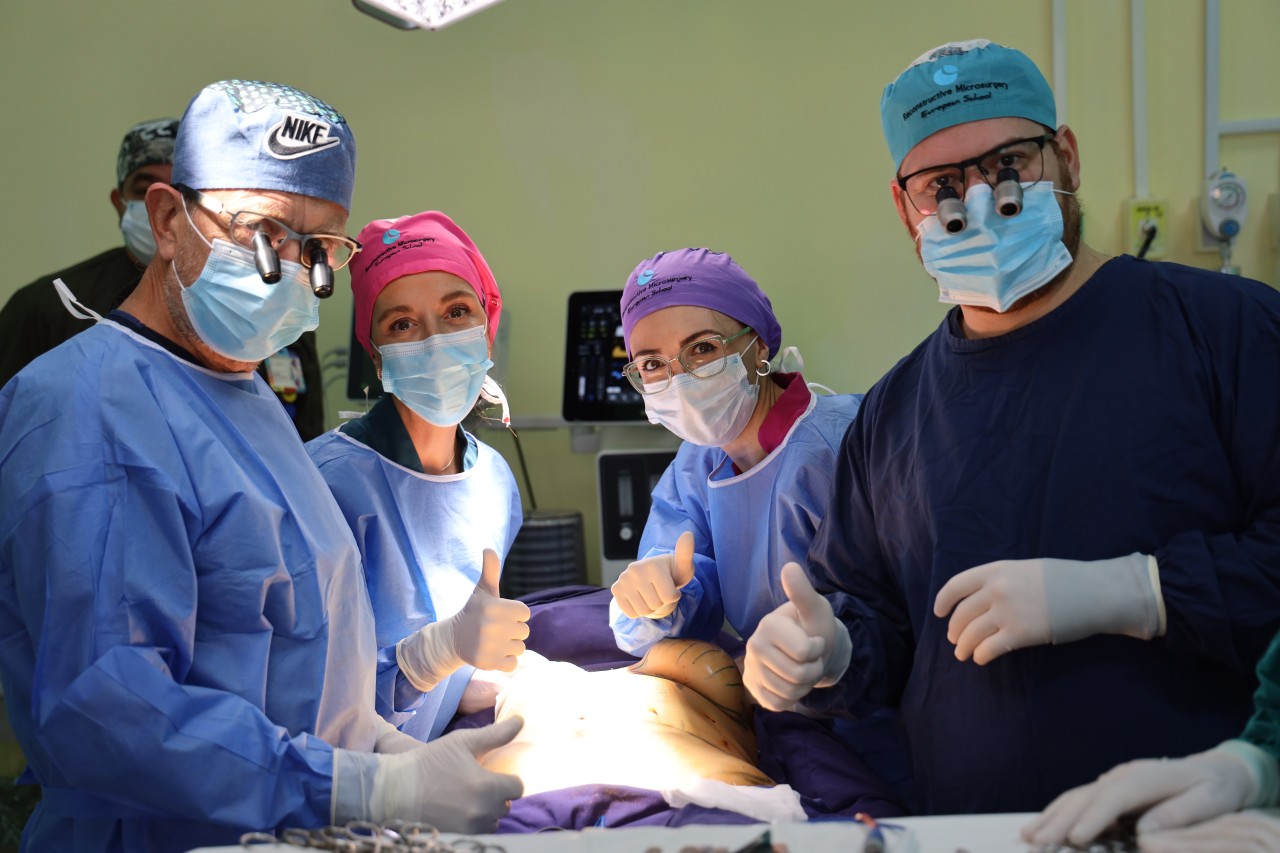
Yerevan Microsurgical Week: Reconstructive Microsurgery at the NCO

Ազդարարման հարցերով պատասխանատու՝ Գոռ Թանայան
ՈՒԱԿ անձնակազմի հաշվառան և գրանցման մասնագետ
Հեռախոսահամարներ՝ 010 205050 - 134
Էլեկտրոնային հասցե՝ gtankyan@bk.ru
Հարգելի՛ այցելուներ,
որակի բարելավման նպատակով խնդրում ենք ձեր առաջարկներն ու դիտարկումներն ուղարկել ՈՒԱԿ տնօրեն Կարեն Ծառուկյանին՝ fanarjiansdirector@gmail.com հասցեով։
Ձեր վստահությունը մեր լավագույն գնահատականն է